Wayfairer Project: Creating Purpose and Connection Through Volunteering
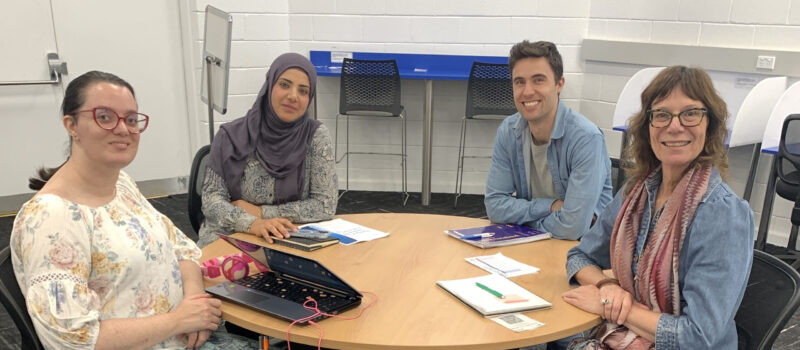
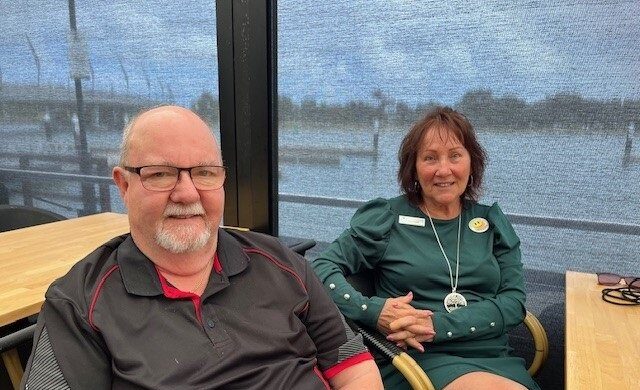
Since its start in 2018, the WayFairer Project has gone from strength to strength, having matched hundreds of members with fulfilling volunteer opportunities in their local communities. We recently sat down with Project Lead Marg and Community Volunteer Connector Alan to discuss the WayFairer Project, how volunteering encourages personal growth, combats social isolation and loneliness among older adults, and to share their best tips for people curious about starting their volunteer journey.
Why programs like WayFairer matter
According to both Marg and AJ,one of the greatest benefits of the WayFairer Project, and similar initiatives, is the sense of purpose it provides.
“Purpose often comes from structured environments such as workplaces or community groups. When we retire, these structures fall away, and one’s world can quietly shrink if we’re not intentional about how we spend our time,” Marg explains. “Initiatives like the WayFairer project offer something that’s hard to create on your own, especially when daily routines and identities begin to change.”
AJ agrees, highlighting the broader impact on wellbeing:
“It gets people out and doing things, connecting with others in their community. It’s also about supporting people’s mental health and wellbeing throughout retirement.”
Beyond individual benefits, these programs also enable organisations to tap into a wealth of skills and experience that might otherwise go underutilised. It is, as both describe, a genuine win-win: volunteers find renewed purpose while communities gain valuable support.
Volunteering: A good deal for everyone
Overall, volunteers make vital contributions to Australian communities. A recent report commissioned by the Australian State and Territory Volunteering peak bodies, A Snapshot of Volunteering in Australia, found that volunteering in Australia contributes a staggering $566 billion to the Australian economy. This represents a return of $5 for every $1 invested!
“Organisations rely heavily on volunteers to deliver services. Without them, many simply couldn’t operate at the same scale,” Marg explains.
However, the value of volunteering extends far beyond its economic benefits. Marg emphasises its role in fostering social cohesion.
“These spaces become hubs where people connect, reducing isolation and strengthening neighbourhood ties. That kind of social fabric is hard to measure, but crucial for wellbeing.”
AJ points out a key strength of particularly older volunteers: their depth of experience and perspective.
“Older adults often come into volunteering with a broad range of professional and personal experiences,” he explains. “That gives them a strong ability to approach problems from different angles and come up with creative solutions.”
While volunteering is often seen as an act of giving, both Marg and AJ emphasise that the personal benefits can be just as significant.
Volunteering has well-documented benefits for mental and physical health, but it also plays a powerful role in building a sense of belonging and combating loneliness.
It gets people out and doing things, connecting with others in their community. It’s also about supporting people’s mental health and wellbeing throughout retirement. – Alan
“When I first started working on the project, one of the people I worked with was a single woman living by herself, and since she went into retirement, she didn’t get out of the house a lot,” Marg explains.
“I convinced her to come along to one of our Cafe Connects, and very quickly, she became a regular.”
“She started building new friendships and creating a sense of community around her. She went from being quite isolated to having very strong connections around her, and she has really come out of her shell. “
Volunteering also shifts and challenges one’s perspective, building both resilience and encouraging personal growth.
“Just because you retire or reach a certain age doesn’t mean your personal development stops,” AJ says. “Volunteering is a chance to step outside your comfort zone, try new things, and challenge your assumptions.”
“That’s what helps people stay healthy and active for longer,” he adds. “Helping others or being part of a cause can also make personal worries feel more manageable.”
Volunteer matching and finding the right fit
“Often, the community groups and organisations we work with have a set list of criteria, so identifying their needs is a relatively straightforward process”, AJ explains.
The process for volunteers, however, is more personal.
“It usually starts with an informal coffee catch-up,” he says. “We talk about their professional and life experience, but more importantly, what they’d like to try — especially things they may not have had the chance to do before.”
This tailored approach helps ensure meaningful matches — but the support doesn’t stop there.
According to AJ, ongoing engagement is one of the project’s greatest strengths:
“We stay in touch with volunteers even after they’ve been placed. Sometimes a role isn’t the right fit, and we help them explore alternatives.”
Maintaining that relationship is also key to preventing volunteer burnout.
“We support volunteers to ensure their workload is manageable and that they’re not taking on too much,” AJ adds.
Café Connect: building connection in a relaxed space
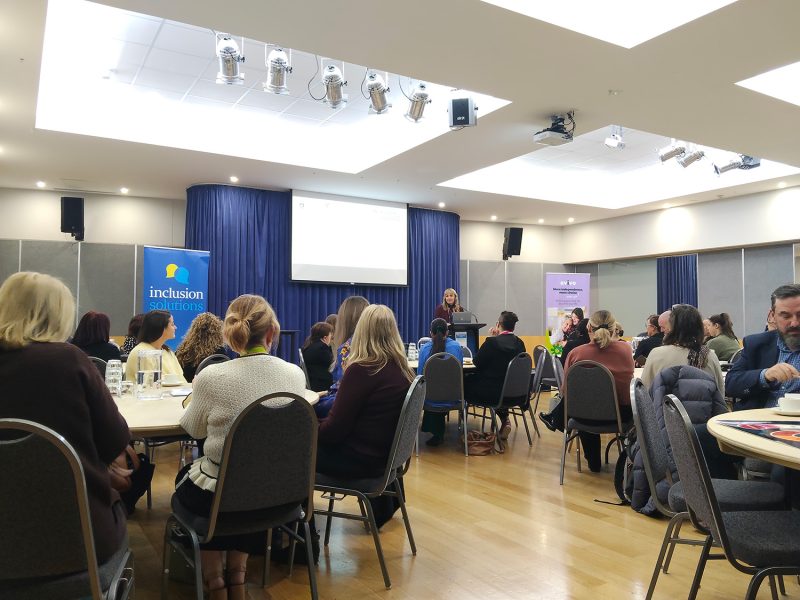
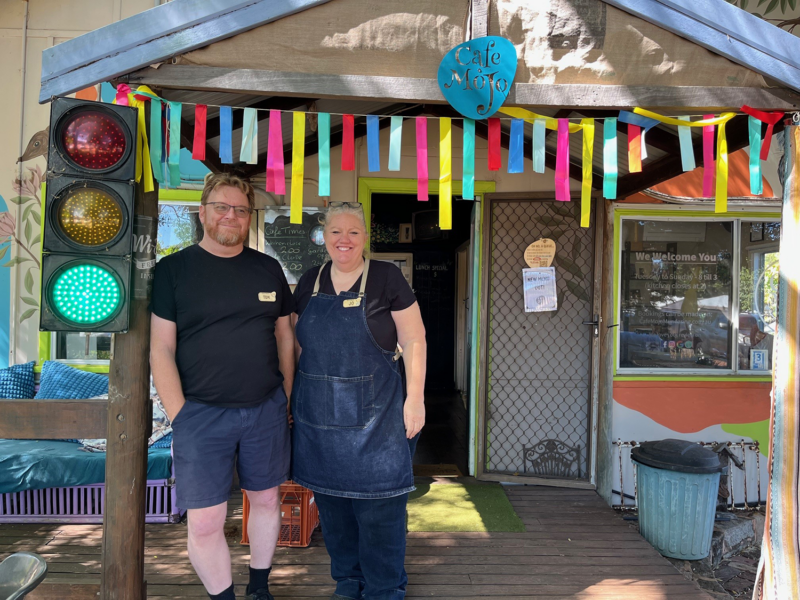
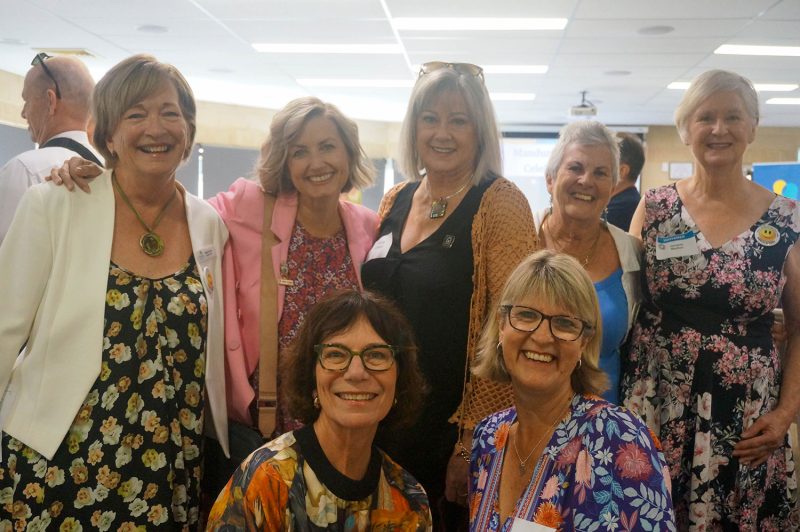
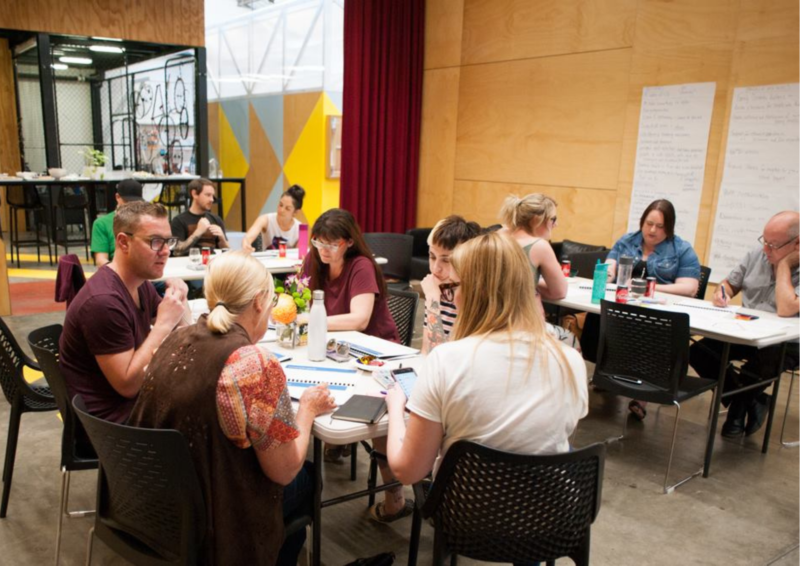
In addition to matching volunteers with opportunities, the WayFairer Project also runs regular Café Connect sessions.
“This kind of setting can be surprisingly effective,” Marg explains. “People feel more comfortable asking questions they might otherwise avoid, and conversations happen more naturally.”
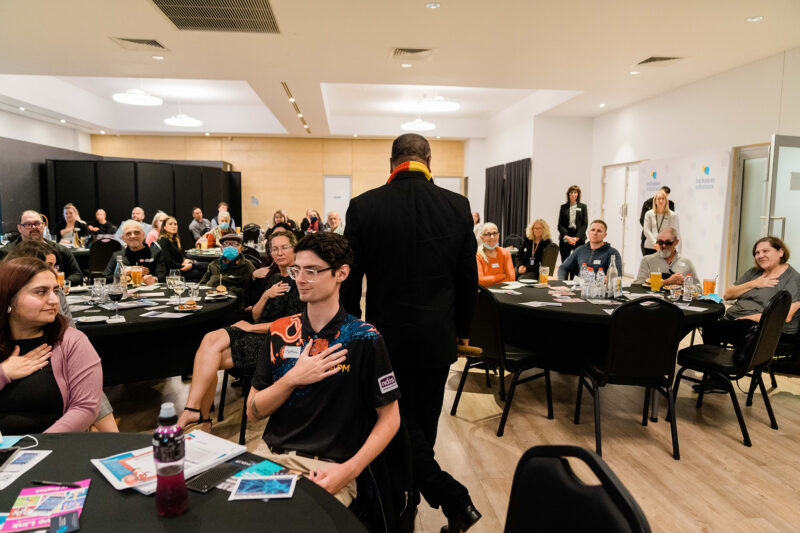
The sessions play a crucial role in fostering social connection. Regular meetups like these create a consistent opportunity to get out, meet others, and build friendships.
They may not be looking to volunteer at all, but they’re still building friendships, staying active, and staying connected. That’s just as valuable. – Marg
“It gives people a reason to leave the house and something to look forward to,” Marg adds. “Over time, it becomes a regular part of their routine and a community in itself.”
Another key feature of Café Connect is its focus on practical, relevant information. Guest speakers regularly attend to present on topics that matter to this stage of life, from superannuation and health insurance to wills, aged care, and Centrelink.
“These are everyday topics that people can immediately apply to their lives,” Marg says.
The sessions are also shaped by participants themselves, who can suggest topics they would like to learn more about — making the program responsive and community-driven.
Importantly, Café Connect isn’t just for those ready to volunteer.
“Some people come along purely for the social side,” Marg notes. “They may not be looking to volunteer at all, but they’re still building friendships, staying active, and staying connected. That’s just as valuable.”
Taking the first step into volunteering
For many people, the idea of volunteering is appealing, but getting started can feel daunting. According to both Marg and AJ, this hesitation is completely normal.
“Often it’s not about unwillingness,” Marg explains. “It’s about uncertainty and people not knowing what to expect.”
Marg suggests starting small and building gradually.
“Start with something familiar. Volunteering doesn’t have to be something entirely new. It can simply be using the skills and experiences you already have, just in a different setting.”
It’s about uncertainty and people not knowing what to expect. – Marg
For some, attending an initial session with a friend or participating in something like Café Connect can make that first step feel less intimidating.
Another common barrier is the question: What can I offer?
“In reality, the qualities many organisations need most, such as life experience, reliability, and strong people skills, are exactly what older adults bring,” AJ says.
He also stresses that volunteering is not a one-size-fits-all experience.
“If a role doesn’t feel like the right fit, that’s okay,” he says. “We encourage people to come back and explore other options. You’re not locked into anything.”
Ongoing support is a core part of the WayFairer approach, helping to build confidence and ensure volunteers feel comfortable throughout their journey.
“We want people to know that we’re there for them,” AJ explains. “It’s not just ‘here’s a role, off you go.’ We stay in touch, check in regularly, and support them along the way.”
That reassurance, he notes, often makes all the difference.
“Once people realise they’re supported, that fear of getting started tends to fade.”
The WayFairer Project is funded by Department of Communities and supported by both City of Kwinana and City of Mandurah within the respective regions.
The WayFairer Project is currently running in Mandurah and Kwinana. If you want to learn more about the WayFairer Project or want to get involved, read more about the project here.
You can also contact:
Alan Johnson (Kwinana) at [email protected] or 08 9201 8935.
Marg Pantall (Mandurah) at [email protected] or 0438 008 331.
The WayFairer Project
Stronger communities begin with connection. Join the WayFairer Project to start making a long-lasting impact on your community.
Learn more