From Research to Action: Tackling Everyday Harm in the Disability Sector
What can we do to identify, prevent and repair the everyday harm people with cognitive disability sometimes experience in their relationships with support workers?
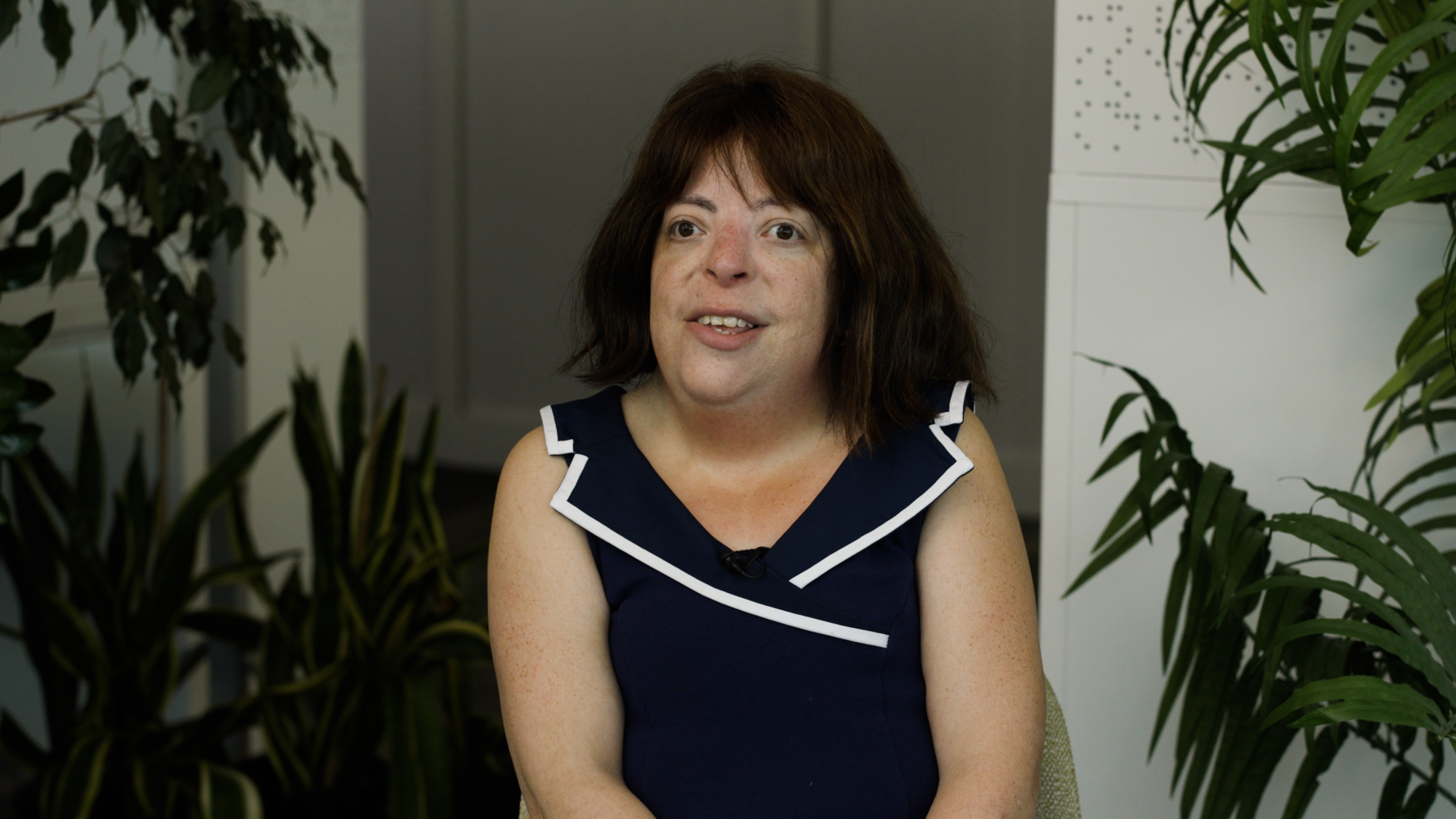
This is the question that researcher Sally Robinson from Flinders University and her research team aimed to answer through the Preventing Everyday Harm Project.
The result is a rigorous body of research, now translated into practical, accessible resources designed to help support workers, service providers, and people with disability recognise, prevent and respond to everyday harm. These resources are available on EverydayHarm.org.au.
“We all have a role to play in stopping everyday harm”
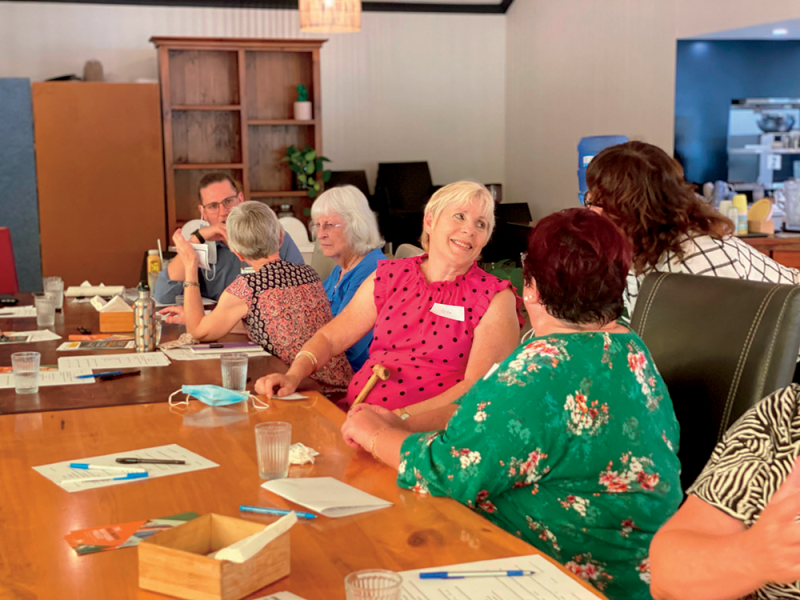
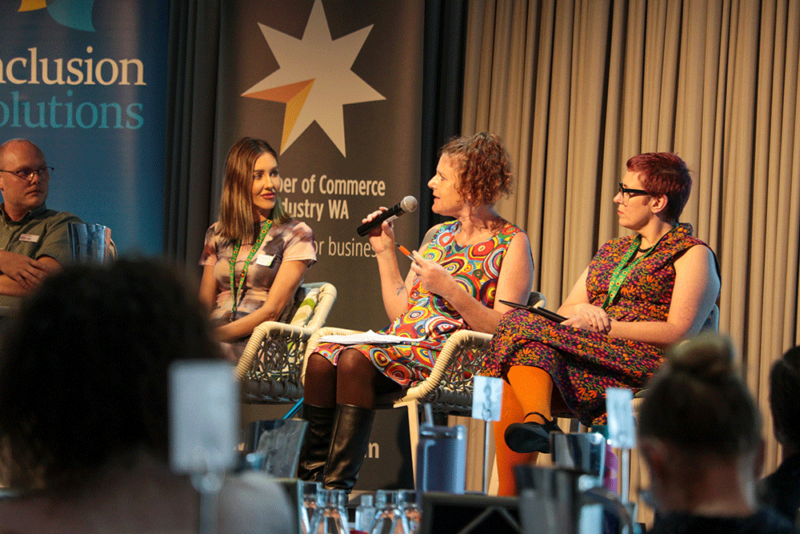
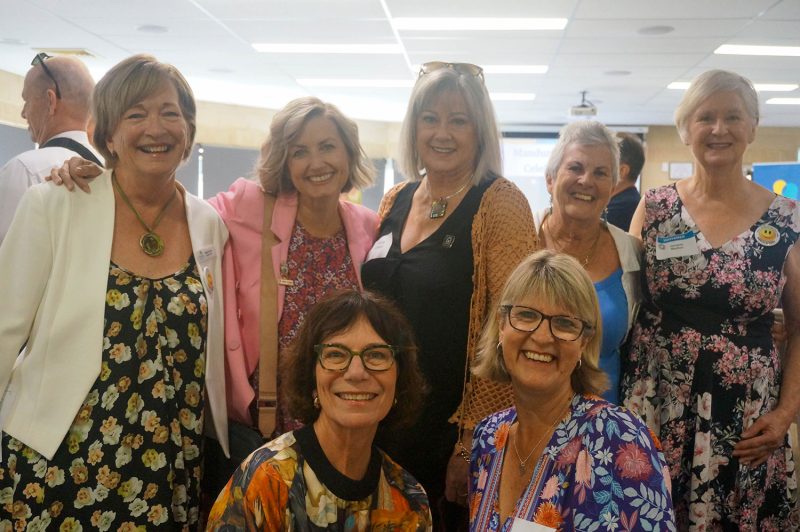
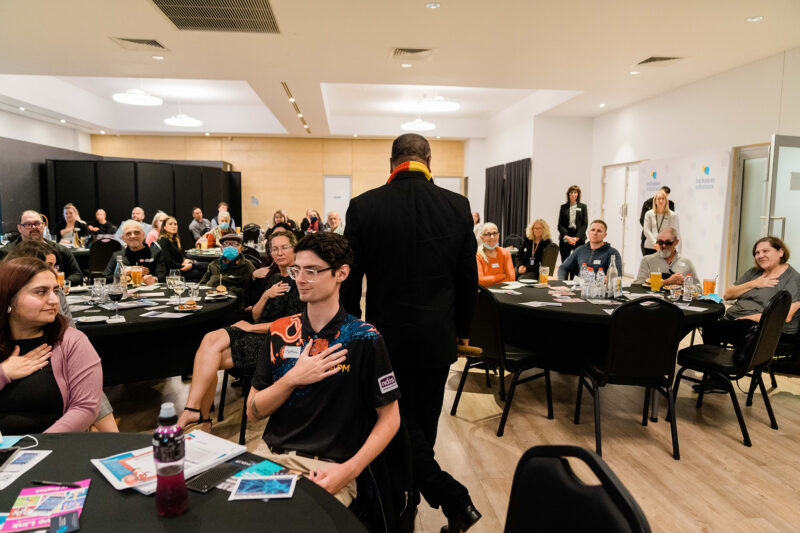
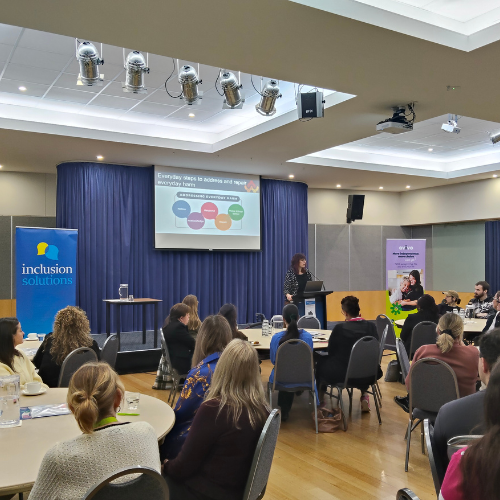
Earlier this month, Sally shared insights from the project with more than 80 leaders from the Western Australian disability sector, including Ben O’Rourke from the Department of Communities.
We also heard from Leanne Pearman from Inclusion Solutions, Kate Fulton from Avivo, and the WA-based co-design team about their contributions to the project.
But what exactly is everyday harm? Sally shared with us that everyday harms are not extreme incidents, but rather small, day-to-day interactions. It can be ignoring someone, speaking negatively about them, or not respecting a person’s preferences. Everyday harms are often subtle and unintentional. Not only are these types of behaviours difficult to identify but also challenging to name, and as a result, many people with disability may not feel safe speaking up.
However, the research shows that these “small” moments can have a big impact on a person’s sense of safety, dignity, and wellbeing.
By equipping the disability sector to identify and address everyday harm, we can move closer to a future of safer, more respectful support for people with disability.
Translating research into practical tools
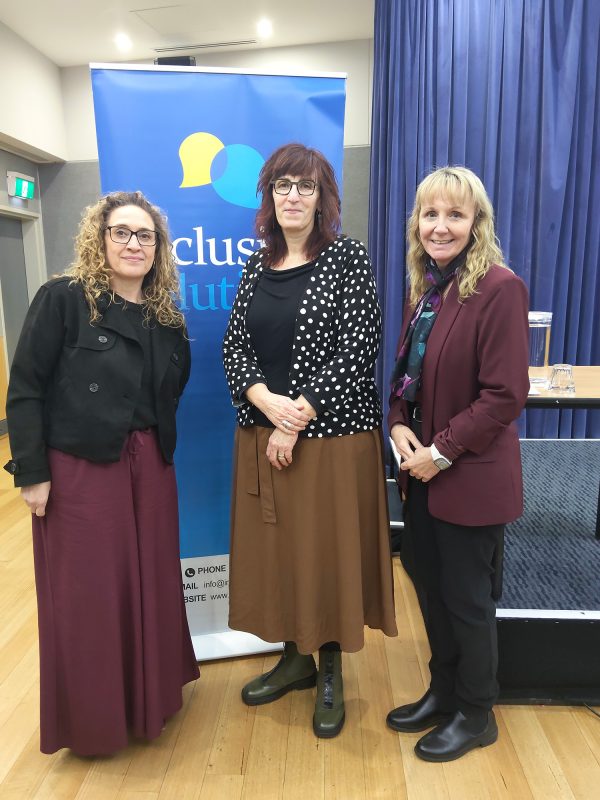
The research project brings together teams from 11 partner organisations across Australia, including advocacy groups, service providers and government agencies.
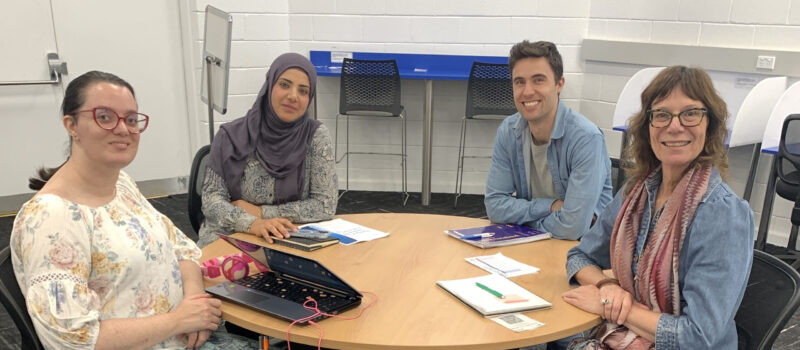
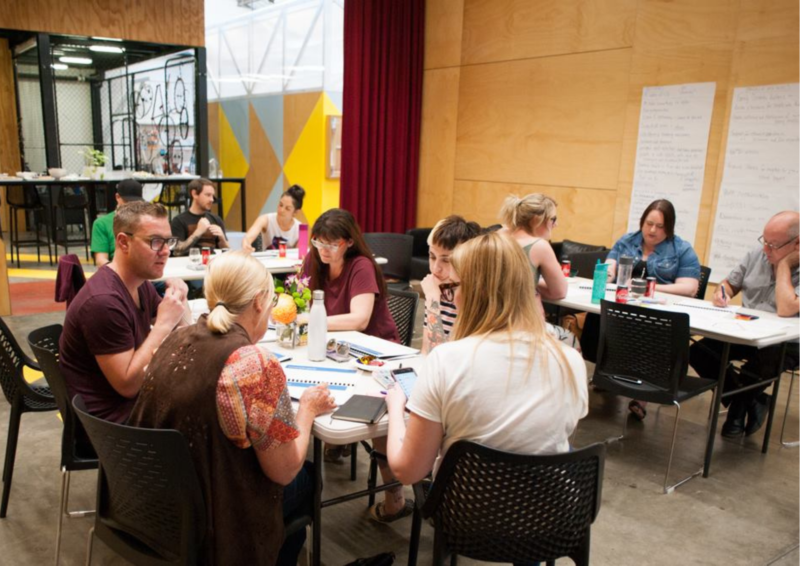
Through a strong co-design approach, Inclusion Solutions and Avivo played a key role in translating this complex research into practical, user-friendly resources.
Working alongside a co-design group of people with disability, the resources are grounded in lived experience and address real-world challenges.
According to Leanne Pearman, the project has centred on the lived experience of people with cognitive disability, from start to finish:
“Our co-design team has been integral in shaping the resources, ensuring they reflect real experiences and provide practical, meaningful solutions.”
This approach demonstrates the power of designing with people, not for them, and highlights the role of co-design in bridging the gap between research and practice.
“It’s been wonderful to drive meaningful change in how everyday harm is understood and addressed across the disability sector, including here in Western Australia”, she concludes.
Building capability across the disability sector
The Everyday Harm website provides a range of tools to support the disability workforce and community, including:
- Training and educational videos
- Personal stories from people with disability and support workers
- Policy guides for providers
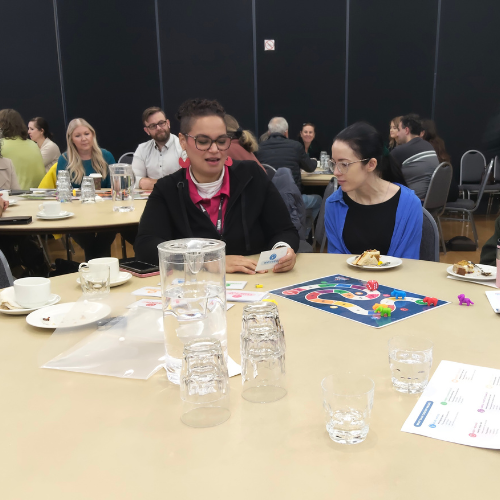
- The Everyday Harm board game
- Easy Read resources and access to the research
Learn more about how you can identify, prevent and respond to everyday harms on EverydayHarm.org.au
The Preventing Everyday Harm Project is funded by an Australian Research Council-funded project.
Preventing Everyday Harm Project
Explore resources to help identify, prevent and respond to everyday harm.
Learn more